 Andrew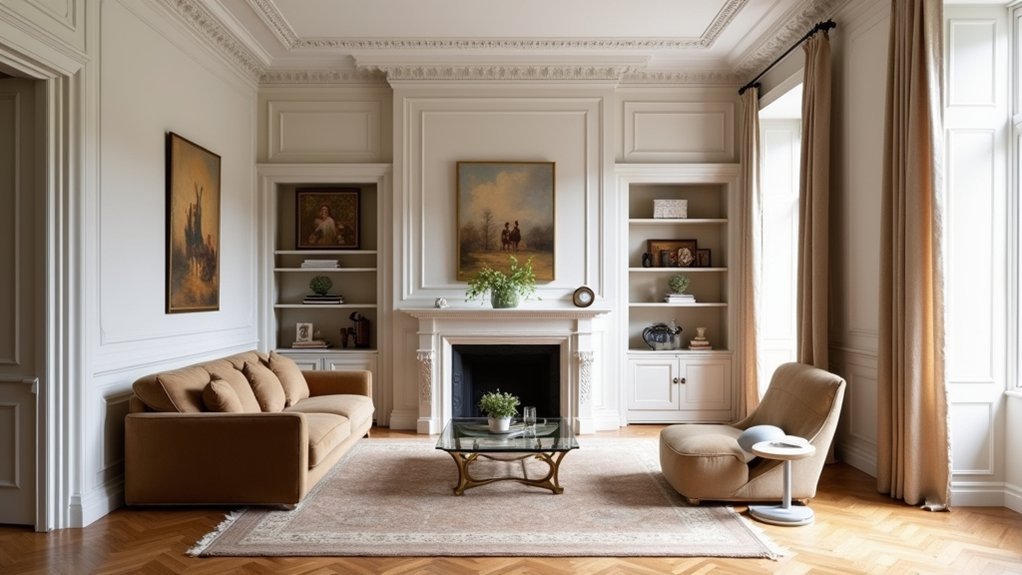
You don’t have to choose between sleek contemporary furniture and classic interior details—you can make them work together if you start with one traditional anchor, like ornate trim or a fireplace, then bring in clean-lined pieces that respect the room’s scale. Keep finishes matte, hardware minimal, and color undertones consistent, and repeat materials like wood, brass, or marble to tie eras together. The difference between curated and chaotic comes down to a few specific moves…
Start With One Classic Anchor Feature
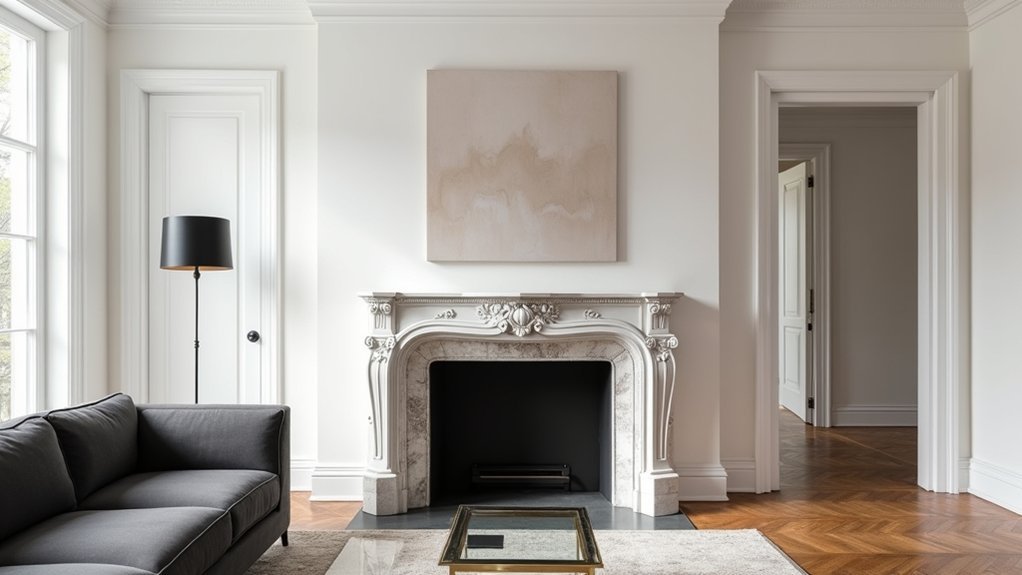
If you want a contemporary space to feel instantly grounded, start by choosing one classic anchor feature—like a tufted Chesterfield sofa, a carved wood dining table, or an original fireplace mantel—and let it set the room’s visual “baseline.” Treat it as your value driver: invest in authentic materials, tight upholstery, and proven joinery, since these details hold resale appeal and photograph well for listings.
Then reinforce the story with antique accents that echo its era—aged brass hardware, patinated frames, or a vintage rug—and weave in subtle historical references through profiles and proportions, not extra clutter. Keep a tight edit: one hero, a few supporting pieces, and clear negative space so the anchor reads intentional, not inherited.
Use Contemporary Furniture to Balance Ornament
Once you’ve set a classic anchor, use contemporary furniture with clean lines to keep the room from tipping into ornate or dated. Choose a low-profile sofa, a slab-front media console, or a streamlined dining table to create breathing room around carved moldings, marble mantels, or gilded mirrors.
Prioritize matte finishes, tight tailoring, and minimal hardware so the eye reads calm, not clutter. Then layer Artistic contrasts: pair a sculptural accent chair with traditional paneling, or add a graphic rug beneath an antique chandelier.
Use Modern symmetry to make it feel premium and intentional—match side tables, align seating, and repeat simple silhouettes across the space. You’ll highlight heritage details while delivering the crisp, current look today’s buyers and renters expect in high-performing interiors.
Match Scale So Eras Feel Intentional
Although you’re blending eras, scale does the heavy lifting in making the mix look curated rather than chaotic. Start by sizing your contemporary pieces to the room’s classic architecture: if you’ve got tall ceilings, deep crown, or oversized casings, choose seating with generous depth and higher backs so it doesn’t read underscaled.
In tighter, historic rooms, go slimmer—track arms, lighter legs, tighter profiles—so details still breathe.
Build scale harmony by repeating one dominant proportion across eras: match a modern sofa’s length to a traditional fireplace span, or align a contemporary sideboard’s height with wainscoting caps.
Protect era consistency by limiting “hero” pieces to one per zone; let secondary items step down in visual weight and maintain clear circulation paths.
Connect Contemporary Furniture With Classic Color
Scale sets the framework, but color is what makes contemporary furniture feel like it belongs in a classic room. Start by auditing your existing Color palettes: wall tones, trim, rugs, and any inherited finishes.
Then choose one anchoring classic hue—warm ivory, tobacco, oxblood, deep navy—and let it steer new purchases, from sofas to sculptural chairs. You’ll get the most seamless result when you prioritize Shade coordination over perfect matches: keep undertones consistent (golden vs. cool), and vary value and saturation for depth.
Trend-forward tip: pair heritage neutrals with a single modern accent like clay, moss, or inky teal to refresh without disrupting tradition. Finish by repeating that accent in small doses across the room.
Repeat Materials to Blend Old and New
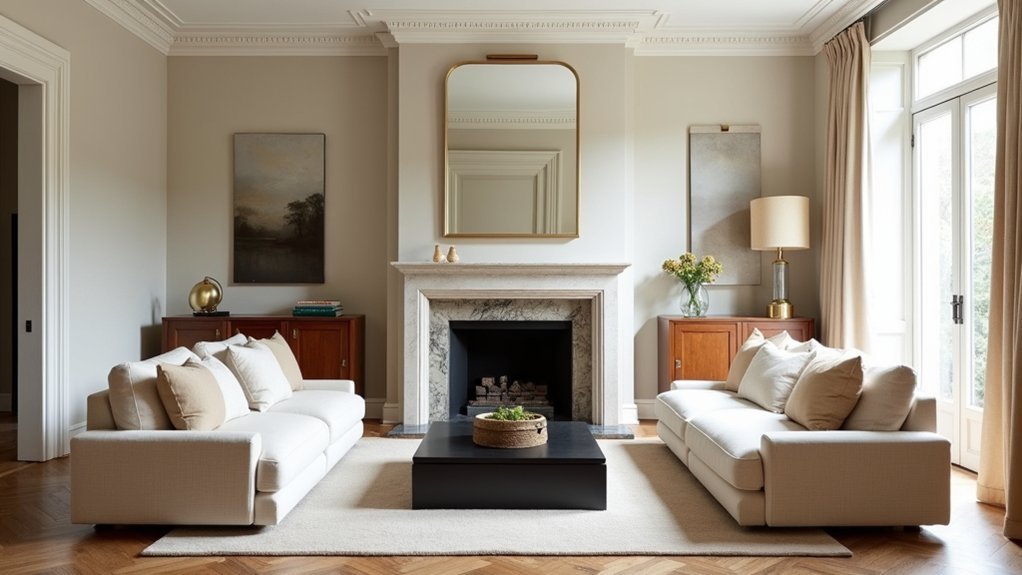
When you repeat the same material across old and new pieces, you create a visual through-line that makes the mix feel intentional, not accidental. Start by auditing your room’s “heritage” finishes—oak trim, marble hearth, brass hardware—and echo one or two in contemporary furniture: a walnut credenza that picks up a vintage banister, or a honed-stone side table that mirrors an antique mantel.
Prioritize Material consistency over matching styles. Keep undertones aligned (warm walnut with aged brass; cool ash with nickel) so the palette reads curated.
Then layer Texture harmony: pair a sleek lacquered cabinet with a classic woven rug, or smooth leather seating against linen drapery, repeating the same fiber elsewhere. Your edit looks premium, current, and cohesive.
Mix Contemporary Furniture With Vintage Lighting
Vintage lighting instantly adds patina and personality, so you can let it do the heavy lifting while your contemporary furniture stays clean-lined and minimal. Anchor the room with one statement piece—an opaline globe pendant, brass pharmacy floor lamp, or sculptural sconce—then keep surrounding surfaces matte and restrained for a showroom-ready contrast.
Shop Vintage fixtures with credible scale: oversized pendants modernize open plans, while petite sconces sharpen reading nooks. Mix finishes intentionally—aged brass over blackened steel, or milk glass against walnut—to hit today’s warm-minimal trend.
Put Retro accents on a dimmer and choose high-CRI LED bulbs to preserve authentic color and elevate textiles. If you’re sourcing online, verify wiring, canopy size, and drop length so installation stays seamless.
Avoid These Mismatched-Style Design Mistakes
Although mixing eras can look editorial, a few common missteps will make your space feel accidental instead of curated. Don’t pair every modern piece with an ornate antique; you’ll create a tug-of-war instead of a focal point.
Anchor the room with one dominant style, then layer the other as supporting notes. Skip “matchy” finishes—chrome, brass, and oil-rubbed bronze can coexist, but only if you repeat each at least twice.
Watch scale: a low contemporary sofa needs substantial classic casegoods, not spindly side tables.
Use contrasting textures deliberately—lacquer with linen, velvet with stone—to signal intention.
Finally, edit your artistic accessories; one bold sculpture beats five random trinkets competing for attention.
Frequently Asked Questions
How Do I Mix Contemporary and Classic Styles on a Tight Budget?
You’ll mix contemporary and classic on a tight budget by anchoring with one statement piece, thrifting vintage accents, and updating hardware. Use Color contrast and Texture layering via pillows, rugs, and paint for a high-end look.
Which Brands Sell Contemporary Pieces That Suit Classic Interiors?
You’ll find contemporary pieces for classic rooms at West Elm, Article, HAY, Muuto, and CB2; mix Artistic contrasts with Color harmony. Choose slim silhouettes, tailored upholstery, and brushed metals that echo molding, antiques, and parquet.
How Do I Protect Antique Surfaces When Using Modern Furniture?
You protect antique surfaces by prioritizing Antique preservation: use felt pads, coasters, and UV-filtering window film. Add Surface protection with clear desk mats, wax finishes, and humidity control. Choose non-marking glides and avoid rubber-backed rugs.
What Is the Best Way to Blend Smart Home Tech Into Classic Rooms?
Choose discreet smart home integration: hide hubs in cabinetry, use retrofit dimmers, and select period-style switches. You’ll route wiring invisibly, match finishes to brass or bronze, and display vintage technology-inspired speakers as intentional, premium accents.
How Do I Mix Contemporary and Classic Styles in Open-Plan Spaces?
Like a time-traveling DJ, you’ll unify open-plan spaces by anchoring zones with color coordination and strategic furniture placement. Repeat classic trims in modern textiles, mix silhouettes, and keep sightlines clean so the layout sells premium flow.