 Andrew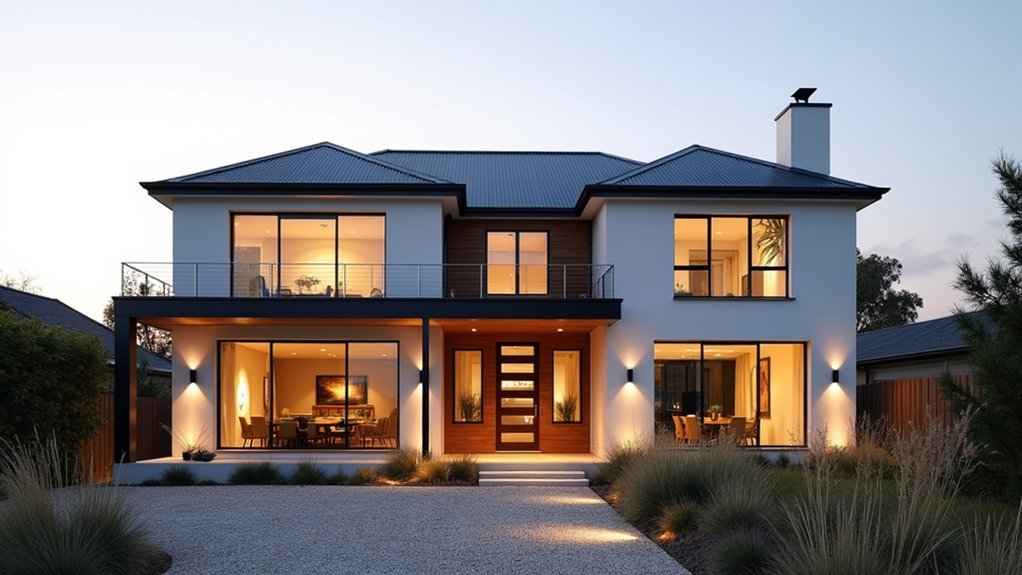
Modernising a detached property starts with a clear plan that balances contemporary style with the way you live. You can improve flow, daylight and energy performance while introducing clean lines, durable finishes and smarter storage. Focus on changes that add long-term value, from upgraded glazing to a more cohesive exterior. The key is knowing which updates will make the biggest difference first.
Start Modernising Your Detached Property With a Plan
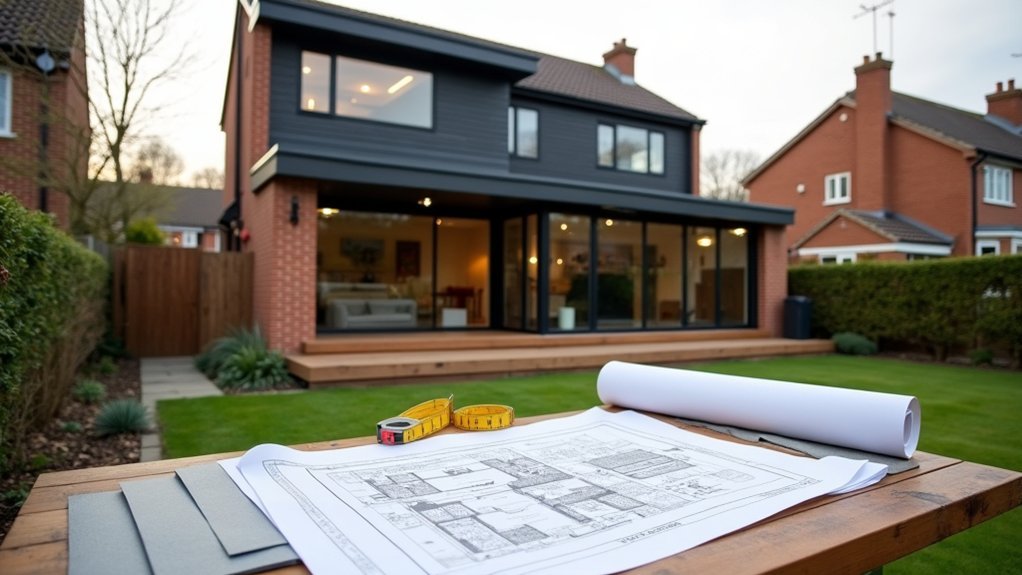
Before you choose finishes or hire trades, assess how your detached property performs today and define what you want it to achieve. Audit insulation, heating, windows, electrics, drainage and roof condition, then rank work by urgency, cost and long-term value.
Set a realistic budget with a contingency of at least 10 per cent, and decide which upgrades need planning permission or building regulations approval.
Create a cohesive brief that links architecture, energy efficiency and kerb appeal. Record dimensions, photographs and existing materials, and gather references that suit your home’s period rather than copying short-lived trends.
Plan the garden landscape alongside access, lighting and water management, not as an afterthought. Test exterior paint samples in changing daylight, considering brick, roof tiles and boundary treatments.
Engage qualified professionals early, compare detailed quotes, and phase work sensibly.
Open Up Layouts for Everyday Family Living
How can you make a detached home feel more connected without sacrificing the rooms your family needs? Start by identifying underused walls between the kitchen, dining area and living room. Removing or widening non-structural partitions can create clearer sightlines and a more sociable daily flow.
Keep purposeful zones rather than one undefined space: use an island for cooking, a dining table for shared meals and a seating area for relaxing.
Smart furniture arrangement helps each zone work without visual clutter. Position sofas to define the lounge, choose streamlined storage, and retain a snug, study or playroom where privacy matters.
Use consistent flooring and color coordination across adjoining spaces to make transitions feel intentional. Contemporary layouts favour flexible rooms, so include sliding doors or adaptable furnishings when you need separation for work, homework or guests.
Upgrade Windows, Insulation and Home Efficiency
A more open layout works best when the home also feels comfortable in every season. Start with high-performance double or triple glazing, choosing slim frames that preserve daylight while reducing draughts and outside noise. Check roof, wall and floor insulation before investing in heating, as a well-sealed envelope delivers the biggest long-term gains.
Prioritise Energy saving upgrades that work together: fit airtight doors, seal gaps around services, and install mechanical ventilation with heat recovery where appropriate. You’ll improve air quality without wasting warmth.
Choose sustainable materials, such as recycled-fibre insulation, timber window frames from certified sources, or low-carbon glazing systems. Add smart heating controls and zoned thermostats to match energy use to your routine.
These measures lower running costs, strengthen your EPC rating, and make your detached home more resilient.
Bring Contemporary Design Choices Into Every Room
Refresh each room with a restrained colour palette, natural textures and durable contemporary materials that create a cohesive finish.
Improve lighting and layouts to make your spaces brighter, more flexible and easier to use.
Add discreet smart controls for heating, lighting and security so your home works harder every day.
Update Colour And Materials
Updating colour and materials gives a detached home a more current identity without compromising its character. Start with restrained Color palettes: warm whites, soft taupes, clay tones, muted greens, and charcoal accents create depth while remaining timeless. Use one stronger shade on joinery, a fireplace surround, or an internal door to establish definition without overwhelming the room.
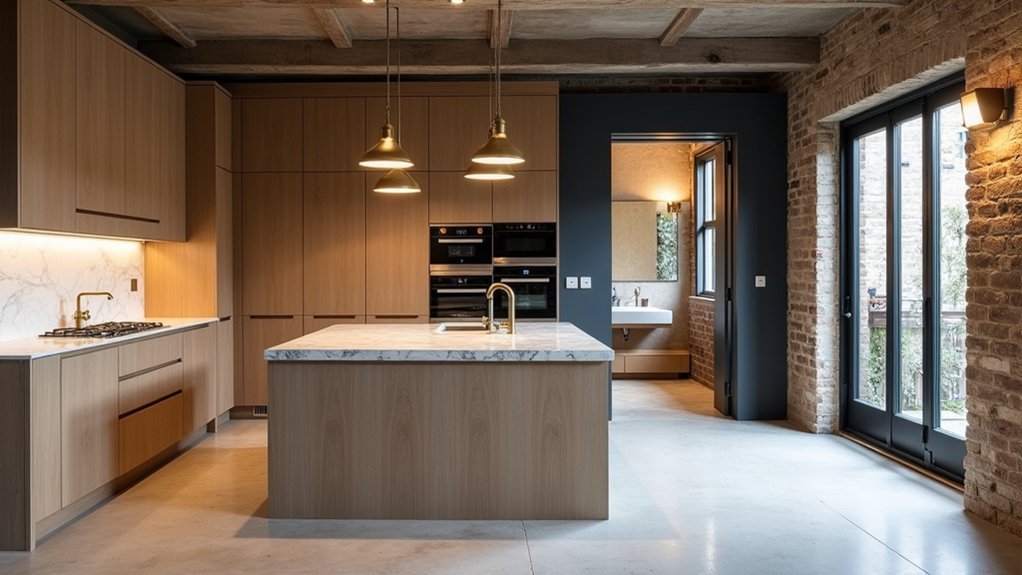
Layer Material textures to prevent neutral schemes from feeling flat. Pair smooth painted walls with natural oak, honed stone, brushed metal, linen, or ribbed glass. In kitchens and bathrooms, choose large-format porcelain, composite worktops, and matte fittings for a clean, durable finish.
Retain original brickwork, timber beams, or period details where possible, then contrast them with refined contemporary surfaces. This balance makes your home feel intentional, cohesive, and relevant rather than overly renovated.
Enhance Lighting And Layout
Thoughtful lighting and a clearer layout can make every room feel more spacious, functional, and current. Start by opening sightlines: remove unnecessary partitions, widen doorways where practical, and position furniture to support easy movement. In living areas, create defined zones with rugs, shelving, or a well-placed sofa rather than adding walls.
Maximise natural illumination by choosing unobstructed window treatments, pale reflective finishes, and glazed internal doors. Layer artificial lighting to avoid flat, harsh rooms: combine ambient ceiling fixtures, task lights over work surfaces, and accent lighting for artwork or architectural details.
Contemporary schemes favour slimline pendants, wall lights, and concealed LED strips with warm colour temperatures. Keep switches logically grouped near entrances and seating areas, so you can adjust each zone easily.
This approach gives your detached home a polished, flexible atmosphere throughout.
Integrate Smart Home Features
Smart home features can make a detached property feel more efficient, secure, and tailored to daily life without cluttering its design. Start with a central hub that links lighting, heating, blinds, and entertainment, allowing you to manage key functions from one app.
Add voice control in kitchens, living spaces, and bedrooms for hands-free convenience, but retain manual switches for guests and reliability.
Choose discreet security systems with doorbell cameras, smart locks, motion sensors, and app alerts. Position devices carefully to protect entry points without making your home feel overly monitored.
Smart thermostats and zoned heating help you reduce energy use while keeping each room comfortable.
For a polished finish, conceal cables, select devices in neutral finishes, and plan power points early. You’ll create a connected home that feels intuitive rather than technology-led.
Refresh Exteriors With Modern Materials and Landscaping
Update tired cladding and exterior finishes with durable, low-maintenance materials that give your home a sharper architectural profile.
Pair these upgrades with structured landscaping, such as defined beds, clean paving lines, and layered planting.
You’ll create a cohesive frontage that feels current and adds lasting kerb appeal.
Upgrade Cladding And Finishes
Cladding and exterior finishes can transform a dated detached home into a sharper, more durable property with stronger kerb appeal. Assess the existing façade first, repairing damp, cracks, and failing render before adding new layers.
Your Cladding options include fibre cement boards, thermally modified timber, brick slips, metal panels, and porcelain systems. Choose materials that suit the property’s proportions, local character, and maintenance demands.
Make Finishes selection deliberate: pair one dominant surface with a restrained accent rather than mixing competing textures. Matte finishes, warm neutral tones, charcoal detailing, and slim black frames create a current, composed look.
Upgrade soffits, fascias, guttering, and external lighting at the same time so every visible element feels coordinated. Prioritise tested, weather-resistant products and professional installation to protect the structure while delivering a clean, contemporary exterior.
Add Structured Landscaping
Structured landscaping gives a detached property a clear, modern setting that strengthens its architecture and improves everyday use. Define zones with crisp edging, level changes, and restrained planting schemes that complement your home’s cladding and colour palette. Use large-format porcelain, gravel, or brushed concrete for Garden pathways, creating direct routes from parking, entrance, and patio areas.
Balance hard surfaces with evergreen structure, ornamental grasses, and low-maintenance native planting. Repeating materials across terraces, steps, and borders creates a cohesive, considered finish. Add integrated lighting along paths and beneath feature trees to improve safety and extend outdoor use after dark.
For overlooked plots, install slatted timber, composite panels, or planted Privacy screens. These solutions protect seclusion without blocking daylight, while giving your garden a refined, contemporary framework. Choose durable finishes that age well.
Finish With Smart Storage, Lighting and Technology
Once the main fabric of the home is complete, smart storage, layered lighting and discreet technology give a detached property the polished, future-ready finish buyers expect.
Build full-height cupboards into hallways, utility rooms and bedrooms to keep everyday clutter out of sight. Choose handleless cabinetry, pull-out larders and integrated recycling to maximise practical space without visual noise.
Plan lighting in layers: use recessed task lights in kitchens, warm wall lights in living areas and dimmable feature pendants above dining tables.
Smart storage, lighting and technology should feel intuitive, not overly complex.
Specify Energy efficient appliances that integrate neatly within cabinetry, reducing running costs while maintaining a streamlined look.
Install Automated security, including video doorbells, app-controlled alarms and exterior sensors, to improve convenience and reassurance.
You’ll create a home that feels considered, efficient and ready for modern living.
Frequently Asked Questions
Do I Need Planning Permission to Modernise a Detached Property?
You usually don’t need planning permission for internal updates, but Structural modifications, extensions, or façade changes often require approval. Check local rules, especially in conservation areas where Historic preservation controls can limit contemporary alterations.
How Much Does a Full Detached Home Renovation Typically Cost?
You’ll typically spend £100,000–£250,000 on a full detached-home renovation, depending on size, structure, and specification. Budget separately for Interior lighting and Sustainable materials, as premium, energy-efficient choices can markedly increase overall costs.
Can I Modernise My Home While Living in It?
Yes, you can modernise while living there through phased, planned projects. Prioritise Open plan interiors carefully, isolate dusty zones, and install Smart home technology room by room. You’ll minimise disruption, maintain safety, and control costs.
How Long Does a Contemporary Property Renovation Usually Take?
A contemporary renovation typically takes 3–9 months, depending on scope, approvals, and contractor availability. You’ll save time by finalising lighting design and material selection early, ordering long-lead items upfront, and scheduling trades efficiently.
Which Renovations Add the Most Value Before Selling?
You’ll open the biggest buyer appeal with kitchen and bathroom updates, then sharpen garden landscaping and energy efficiency. Prioritise neutral finishes, strong kerb appeal, and essential repairs—you’ll avoid overcapitalising while making your property irresistibly market-ready.