 Andrew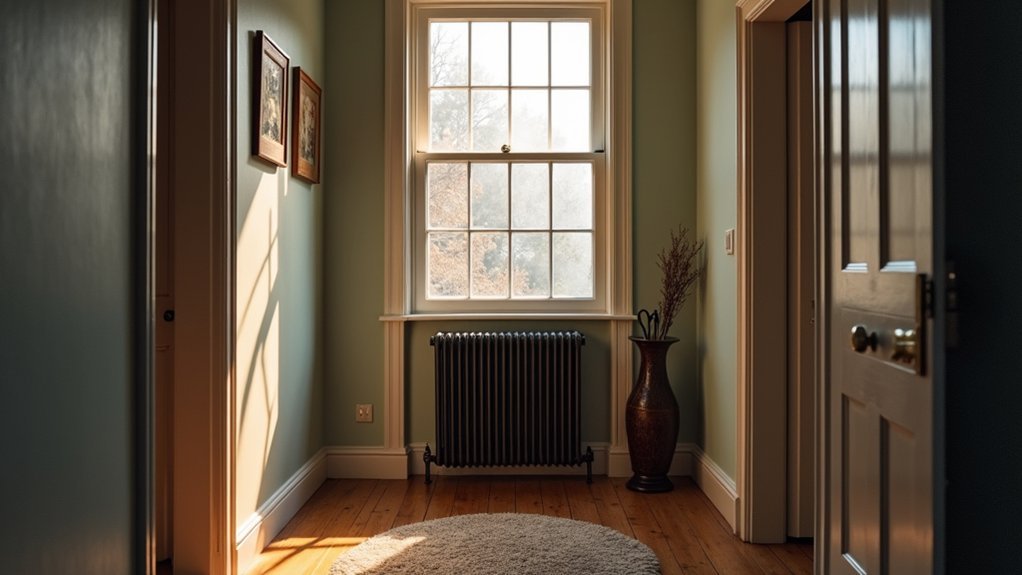
A cold hallway can act like an open gate, letting draughts creep through your home. You can counter this by choosing a hallway radiator with the right output, placing it where incoming cold air meets warmth, and using sensible controls. Small details, from valve settings to wall insulation, affect comfort more than you might expect. Get these choices right, and your entrance won’t just feel warmer—it’ll reveal where those persistent chills begin.
Why Hallways Feel Cold and Draughty
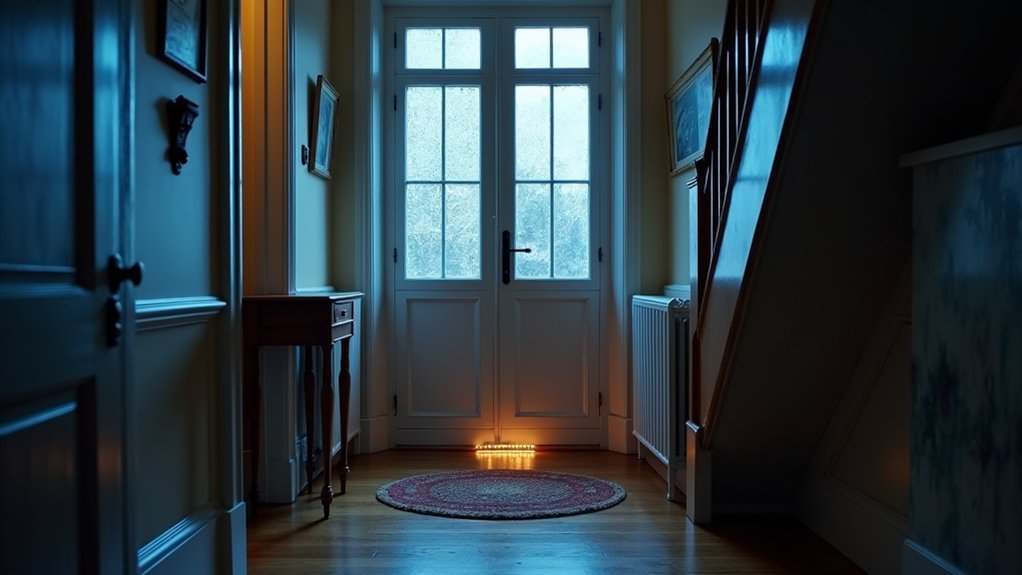
Hallways often feel colder than other rooms because they sit between living spaces and external doors, where frequent opening and closing lets cold air enter. You may also lose heat through a poorly sealed front door, letterbox, keyhole, or gaps around frames.
Cold external walls and uninsulated floors absorb warmth quickly, while insulation gaps around pipework, loft hatches, and ceiling edges create persistent draught paths.
Your hallway may receive little direct sunlight and often has fewer soft furnishings to retain warmth than occupied rooms.
Ventilation issues can worsen the problem when extractor systems, air bricks, or open vents pull replacement air through cracks and openings. Check for moving air around skirting boards, door thresholds, and electrical fittings.
Addressing these weak points reduces heat loss, limits draughts, and makes the space feel noticeably more comfortable.
Size a Hallway Radiator for Lasting Warmth
To size a hallway radiator accurately, calculate the space’s heat requirement rather than relying on its floor area alone. Measure length, width, and ceiling height to find the room volume.
Then, account for insulation, external walls, glazing, doors, and how often the entrance opens. Older homes, tall stairwells, and uninsulated floors usually need a higher heat output to offset rapid heat loss.
Use a heat-loss calculator or request a room-by-room assessment in watts or BTUs. Don’t forget that adjoining unheated spaces, such as porches or garages, increase demand.
Check the quoted output at your heating system’s operating temperature; lower flow temperatures require more emitter capacity. Allow a modest margin for cold weather, but avoid oversizing excessively.
The right radiator size maintains steady warmth, reduces draughty discomfort, and helps your boiler run efficiently.
Choose Hallway Radiators for Your Space
Once you know the required heat output, choose a radiator that fits the hallway’s available wall space, circulation route, and interior style without restricting doors or furniture. Measure carefully, including skirting boards, door swings, and any console tables, before comparing models.
A vertical radiator suits narrow sections of wall, while a compact horizontal model can work beneath a stair return or window.
Select a material and finish that match your home’s demands. Steel radiators offer reliable performance and broad choice, while aluminium options heat up quickly and support energy efficiency.
Consider valve positions and pipe connections so your chosen model works with the existing system.
You can also use stylish designs, from slim flat panels to column radiators, to make this hardworking feature complement your entrance rather than dominate it.
Place Your Hallway Radiator to Stop Draughts
Position your hallway radiator near an exterior door to counter cold air as it enters. This placement warms incoming draughts before they spread through your home.
Keep furniture, coats, and shoe storage clear of the radiator so heat can circulate effectively.
Position Near Exterior Doors
A hallway radiator placed near an exterior door creates a warm air barrier that reduces the cold draughts entering when the door opens. Position it on the adjacent wall or directly opposite the doorway, provided furniture and shoe storage don’t restrict airflow. Leave clear space around the radiator so heat can circulate through the entrance area effectively.
Check that your radiator’s output suits the hallway’s size, ceiling height, and exposure to prevailing winds. Exterior door insulation remains important: renew worn seals, fit a threshold strip, and close gaps around the frame. You’ll reduce heat loss and prevent the radiator from working harder than necessary.
Use thermostatic controls for seasonal temperature adjustments, raising settings modestly during colder months and reducing them in milder weather. Keep the radiator accessible for bleeding, cleaning, and valve maintenance.
Warm Incoming Cold Air
Cold air that enters through the front or back door should meet the radiator’s warm airflow as quickly as possible. This creates a heat barrier that tempers the draught before it travels into your home.
Position the radiator on a nearby wall where its convection current can intercept the coldest incoming air, rather than allowing it to spread across the hallway floor.
You’ll get better air circulation when the radiator can draw in cool air at its base and release warmed air upward.
Set your thermostat and radiator valves so the hallway reaches a steady, moderate temperature during busy entry times. This prevents sharp temperature swings and improves thermal comfort in adjoining rooms.
If your door opens directly into a narrow passage, choose a radiator output that can respond quickly to repeated openings.
Avoid Furniture Obstructions
Keep furniture, shoe storage, and bulky hallway consoles clear of the radiator so warm air can rise and circulate freely. Crowding the unit traps heat behind cabinets or benches, reducing its ability to counter cold air entering through the front door. Leave a clear gap of at least 15–30 cm in front and above the radiator, and avoid placing coats, bags, or laundry directly on it.
Plan furniture placement around the radiator’s airflow path. Position narrow tables on adjacent walls rather than directly opposite the heat source, where they can disrupt circulation across the hall.
Choose wall-mounted hooks or slim storage to preserve open space near the unit. You can still add decorative accents, but keep mirrors, baskets, and plants far enough away to prevent heat damage and maintain efficient, draught-stopping warmth.
Improve Efficiency With Radiator Controls and Insulation
Radiator controls and targeted insulation help you regulate hallway temperatures without wasting heat in nearby rooms. Fit thermostatic radiator valves to set a lower, steady temperature in this passage space, rather than relying on your main thermostat alone. Turn the valve gradually and allow several hours for the setting to stabilise before adjusting it again.
Smart thermostats let you programme heating around arrival times, morning routines, and periods when the hallway is unused. If your system supports zoning, keep living areas comfortable while preventing the hall from becoming excessively hot.
Install radiator insulation foil behind radiators mounted on external walls. It reflects heat back into the room instead of allowing it to warm the wall surface. Choose foil designed for radiators, secure it neatly, and avoid covering valves, vents, or pipework.
Prevent Damp and Keep Your Hallway Warm
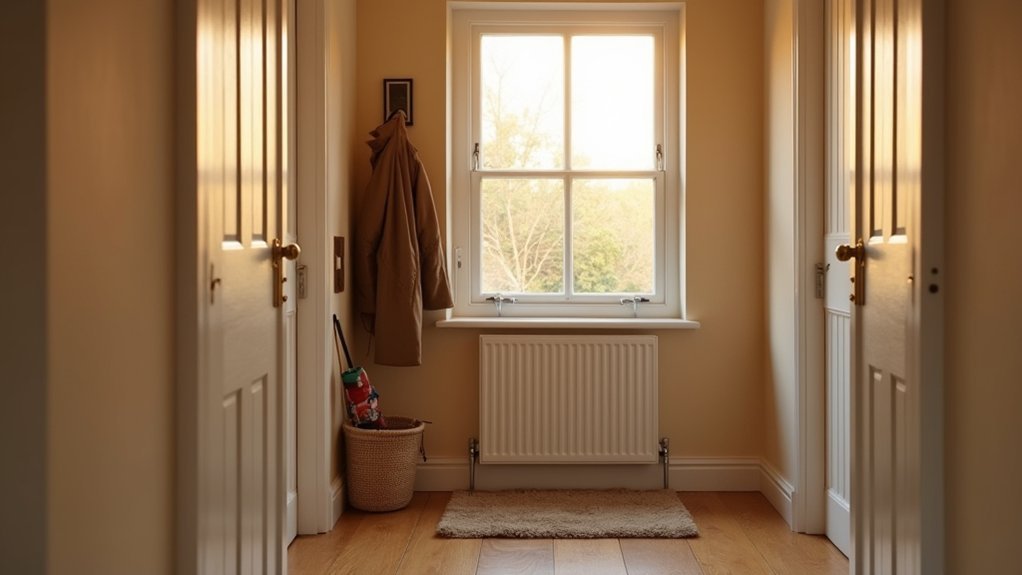
You can stop condensation at its source by keeping your hallway radiator on a steady, moderate setting and managing moisture from nearby rooms.
A consistently warmer entryway helps prevent cold surfaces where damp forms.
Keep furniture and coats clear of external walls so warm air can circulate freely.
Stop Condensation at Source
Condensation forms when warm, moisture-laden air meets cold hallway surfaces, so tackling humidity and heat loss together prevents damp more effectively than simply turning up the heating.
Keep internal doors closed when cooking, showering, or drying clothes, then extract moist air directly outside with fans or an open window.
Effective Humidity control starts with monitoring: use a hygrometer and aim for 40–60% relative humidity.
Empty dehumidifiers regularly and avoid drying laundry in the hall.
Apply practical Ventilation techniques, such as opening trickle vents, airing rooms briefly each day, and keeping extractor fans running after bathing.
Check for blocked air bricks and clear them safely.
Maintain steady, moderate radiator warmth so walls and glazing stay above the dew point.
If moisture persists, inspect seals, gutters, and pipework for leaks before mould develops.
Create a Warmer Entryway
A warmer entryway starts with reducing draughts and cold surfaces around the front door, where outside air can quickly lower hallway temperatures and encourage damp. Check seals around the frame, letterbox, and threshold, replacing worn strips so cold air can’t creep in. Fit a thick, washable door mat to trap moisture from shoes before it spreads across flooring.
Choose a radiator with sufficient output for the hallway’s size and position it near the entrance to counter incoming chill. Set thermostatic controls to maintain a steady background temperature rather than allowing the space to cool completely.
Modern heating styles, including slimline vertical radiators, can provide effective warmth where wall space is limited. If you use Decorative radiator covers, select a ventilated design that doesn’t restrict heat output or block controls.
Improve Airflow Around Walls
Alongside reliable heating, clear airflow around hallway walls helps prevent cold spots where moisture can settle. Keep furniture, shoe racks, and coat storage at least 50 mm from external walls so warm air can circulate freely. Don’t block radiator convection with bulky cabinets or full-length curtains, as trapped air encourages condensation behind them.
For effective airflow optimization, open internal doors periodically and use trickle vents where fitted, especially after wet coats or umbrellas enter the house. Check corners, skirting boards, and areas behind furniture for musty smells, peeling paint, or dark marks. These can signal persistent damp.
Improve wall insulation on exposed external walls to raise surface temperatures and reduce condensation risk. Seal gaps around pipes and floorboards carefully, but don’t eliminate planned ventilation. You’ll keep the hallway warmer, drier, and more comfortable throughout winter.
Frequently Asked Questions
Can I Install a Radiator in a Narrow Hallway?
Yes, you can install a radiator in a narrow hallway. Choose a slim vertical or low-profile model, plan radiator placement around door swings and clearances, and guarantee pipework, wall support, and heat output suit the narrow space.
Are Electric Radiators Suitable for Hallways?
Electric radiators suit hallways: heating can account for 60% of household energy use. You’ll gain responsive warmth with Smart thermostats. Prioritise Radiator placement near draught sources, guarantee safe clearances, and choose an appropriately sized unit.
How Often Should Hallway Radiators Be Serviced?
Service hallway radiators annually, ideally before winter. You should also check thermostat calibration, bleed water-filled units, inspect valves and brackets, and assess radiator insulation each season. Electric models need annual safety checks and dust removal.
Can Radiator Covers Reduce Heat Output?
Yes—open slats aid airflow, while solid panels trap warmth. You can preserve heat efficiency by choosing correctly sized, vented covers with reflective backing. Decorative finishes won’t reduce output unless they block grilles or restrict circulation.
Do Hallway Radiators Increase Property Value?
Hallway radiators can modestly increase your property’s appeal and value when they improve comfort and efficiency. You’ll gain more from strategic radiator placement, modern controls, and insulation improvements than from radiators alone during valuation.