 Andrew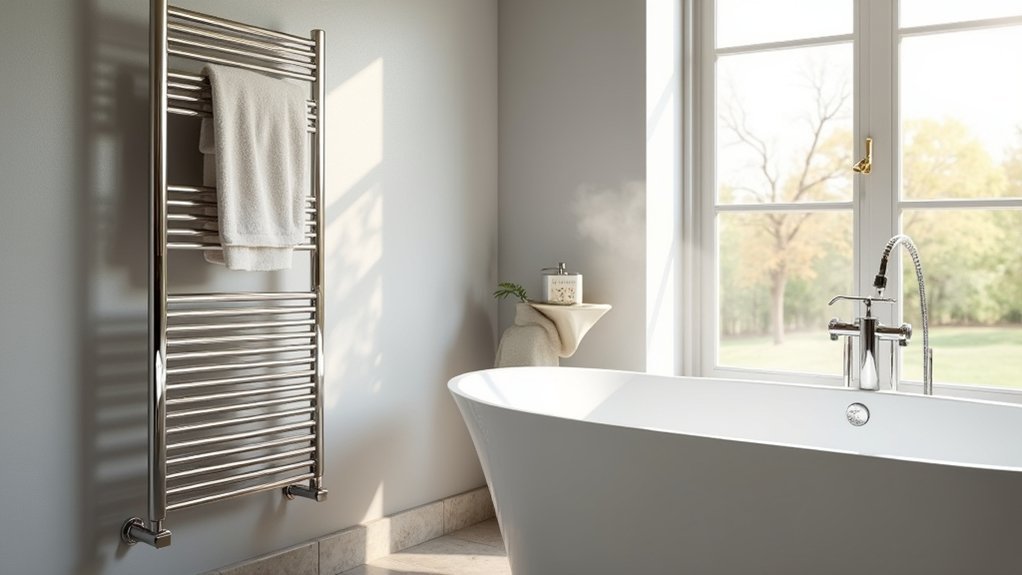
A dedicated bathroom radiator gives you heat where you need it most, without relying on the rest of your heating system to do all the work. It can warm cold tiles faster, dry towels more effectively, and help limit the moisture that leads to condensation and mould. With the right size, placement, and power source, this modest upgrade can improve comfort and protect your bathroom—often for less than you might expect.
Why a Dedicated Bathroom Radiator Makes Sense
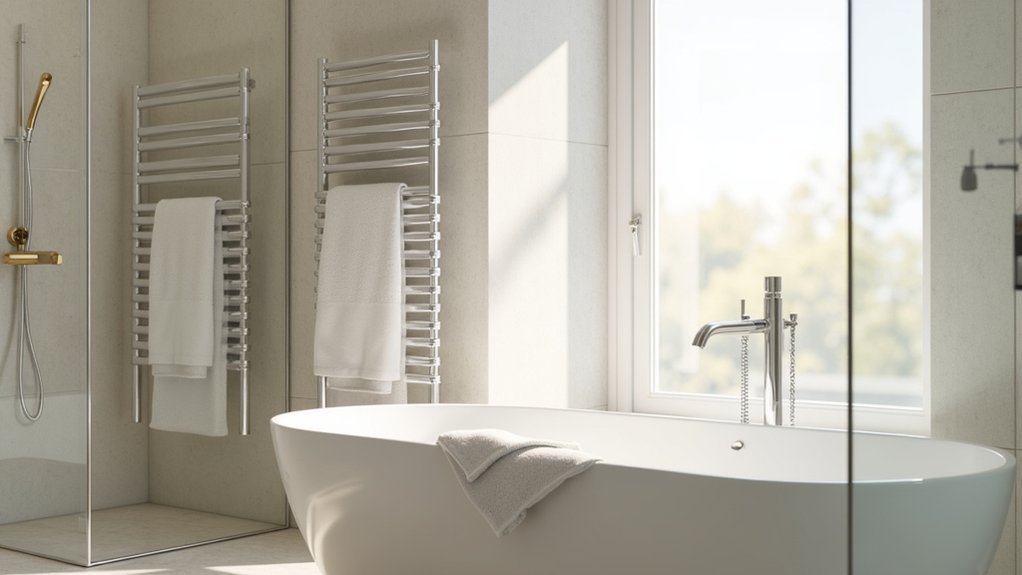
A dedicated bathroom radiator does more than heat the room—it improves daily comfort, controls moisture, and helps protect finishes from persistent dampness. You gain a reliable heat source designed for a compact, humid environment, rather than relying on heat drifting in from nearby rooms.
By maintaining steadier conditions, it helps towels dry properly and limits condensation on mirrors, walls, and windows. That matters because recurring moisture can encourage mould, loosen paint, and damage grout over time.
You can also choose a radiator that complements your bathroom decor, from slim contemporary panels to practical heated towel rails.
During plumbing installation, correct sizing and placement ensure efficient output without crowding the room or obstructing fixtures. This targeted upgrade supports a cleaner, more durable bathroom while adding everyday convenience and visual cohesion.
Faster Warm-Up for Chilly Bathroom Mornings
When the bathroom warms up quickly, you don’t have to step into a cold space or wait through the first part of your morning routine. A dedicated bathroom radiator delivers focused heat where you need it, rather than relying on warmth drifting from nearby rooms.
Its improved Warm up speed helps offset heat loss from tiled floors, exterior walls, and ventilation, so the room reaches a comfortable temperature sooner.
You can also use thermostatic controls or timed settings to have the radiator running before you wake up. This gives you consistent Morning comfort without heating the whole home earlier than necessary.
Drier Towels With a Bathroom Towel Radiator
Unlike damp towels left on hooks, towels placed on a bathroom towel radiator dry more evenly between uses. The warmed rails expose more fabric to circulating heat, so you’re less likely to reach for a cold, clammy towel after a shower. Effective towel drying also helps you get more use from each towel before it needs washing, which can simplify laundry routines in busy households.
For best results, spread towels across the rails rather than folding them into thick layers. Leave small gaps between items so warm air can reach both sides of the fabric.
This simple approach supports better moisture control after bathing, especially when several people use the same bathroom. You’ll enjoy softer-feeling towels, a more comfortable daily routine, and a radiator that delivers practical value every day.
How Bathroom Radiators Help Prevent Damp and Mould
A bathroom radiator helps you clear steam and surface moisture faster after showers, reducing the humidity that damp needs to persist.
By keeping walls, tiles, and towels drier, you make conditions far less favourable for mould growth.
You’ll still need good ventilation, but steady warmth gives your bathroom a valuable extra layer of protection.
Faster Moisture Evaporation
How quickly your bathroom dries after a shower can determine whether damp and mould gain a foothold. A dedicated radiator raises the room temperature, helping water on tiles, floors and towels evaporate sooner. This gives you more effective moisture control than relying on an extractor fan alone, particularly in cooler months when surfaces stay cold.
You’ll get the best results by running the radiator during your shower and for a short period afterwards. Keep the door closed initially to contain warmth, then open a window or use an extractor fan to encourage air circulation and carry humid air outside.
Position towels on the radiator’s rails rather than leaving them bunched up, as exposed fabric dries more evenly. By shortening drying time after daily use, your bathroom feels fresher, warmer and more comfortable.
Reduced Mould Growth
Because mould thrives on cool, damp surfaces, a bathroom radiator helps remove the conditions it needs to spread. By warming the room and drying towels, tiles, and shower screens faster, it limits lingering moisture after baths and showers. This supports effective mould prevention without relying solely on sprays or frequent deep cleaning.
You’ll get better results when you run the radiator during and after bathing, while also using an extractor fan or opening a window where possible. Pay attention to corners, grout lines, and areas behind furniture, where air circulation is weaker.
A consistently dry bathroom protects painted surfaces, sealant, and fixtures from damp-related damage. It also improves bathroom hygiene by reducing the humid environment that encourages mould spores to settle and multiply.
This small upgrade helps keep your bathroom fresher, cleaner, and easier to maintain year-round.
Better Comfort Without Heating the Whole House
Rather than raising the thermostat for every room, you can add warmth exactly where you need it with a targeted upgrade. A dedicated bathroom radiator lets you create a comfortable space for showers, morning routines, and evening baths without overheating bedrooms, hallways, or unused rooms.
This focused approach can reduce wasted energy, especially when you only need extra heat during certain parts of the day. Thoughtful radiator placement also helps warmth reach the areas that feel coldest, such as near external walls or beside the shower zone.
You’ll step onto a less chilly floor, dry off more comfortably, and avoid relying on expensive portable heaters. By choosing a unit that complements your bathroom aesthetics, you gain practical comfort while keeping the room’s layout neat, balanced, and easy to use.
Bathroom Radiator Types: Towel Rails, Panels, and More
Choosing the right bathroom radiator starts with matching the unit to your space, heating needs, and daily routine. Towel rails are a popular choice because they warm the room while keeping towels dry, fresh, and ready after a shower. You can choose ladder-style designs for a clean, modern look or curved models that make hanging towels easier.
Panel radiators offer a simpler, more understated option. They provide dependable heat and suit bathrooms where towel storage isn’t a priority or where you already use hooks and shelves.
For greater flexibility, consider electric models, which you can run independently from central heating. Dual-fuel radiators combine both systems, letting you heat towels during warmer months without switching on the entire home’s heating.
You can also find designer finishes that complement your taps, tiles, and overall bathroom style.
Choosing the Right Bathroom Radiator Size
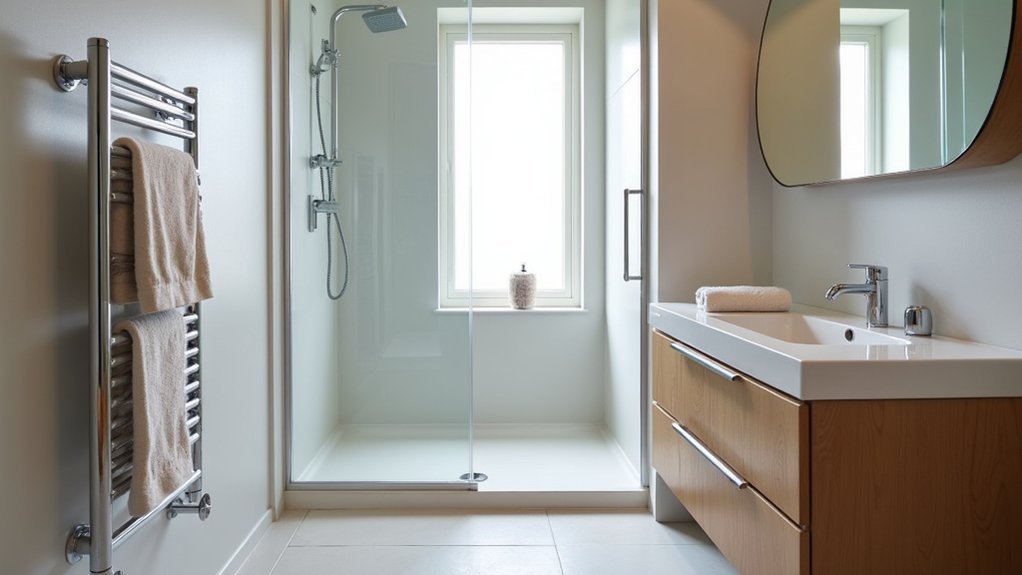
Choose a bathroom radiator by calculating the heat output your space needs, typically measured in BTUs or watts.
Factor in the room’s dimensions, including ceiling height, to avoid undersizing or wasting energy on an oversized unit.
You’ll also need to account for insulation, as draughty windows and uninsulated walls increase heat demand.
Calculate Your Heat Output
Before you compare styles or finishes, calculate the heat output your bathroom needs in BTUs or watts. This figure helps you select a radiator that warms the space reliably, dries towels efficiently, and avoids unnecessary energy use. Use a trusted heat-loss calculator or ask a heating professional to account for insulation quality, window glazing, external walls, and your home’s usual indoor temperature.
Don’t overlook Bathroom ventilation: extractor fans and frequent airflow can increase heat loss, so you may need extra output to maintain comfort after showers. Choose a radiator with a suitable margin rather than one that merely meets the minimum requirement.
You’ll get quicker warm-up times and steadier temperatures during colder weather. Correct sizing also supports simpler radiators maintenance, because your system won’t need to work excessively hard to deliver dependable warmth.
Consider Room Dimensions
Room dimensions give essential context to your heat-output calculation, helping you match radiator size to the space it must warm. Measure the bathroom’s length, width, and ceiling height, then calculate its volume rather than relying on floor area alone. A tall ceiling, alcove, or separate shower enclosure can increase the amount of air your radiator needs to heat.
Also consider usable wall space. Your chosen model must fit without obstructing doors, vanity units, or towel storage. Slim vertical radiators can suit compact layouts, while wider designs may work better in larger rooms.
Factor plumbing considerations into placement, especially if moving pipework would limit your options or add cost. Coordinate the radiator’s finish and profile with your decorating ideas, but don’t let appearance outweigh suitable output and practical positioning for everyday comfort.
Account For Insulation Levels
Once you’ve calculated the bathroom’s volume and identified available wall space, adjust your radiator output target for the room’s insulation.
Well-insulated bathrooms with modern windows, sealed doors, and insulated exterior walls retain heat efficiently, so you may need less wattage. Poorly insulated spaces, especially those with single glazing, outside walls, or draughts, lose warmth quickly and require a higher-output radiator.
Assess insulation levels realistically rather than relying on the room’s size alone. If your bathroom feels chilly after the heating switches off, allow extra capacity to maintain a comfortable temperature and dry towels effectively.
Radiator placement also affects performance: position it on the coldest external wall or near a window where possible. Avoid blocking it with furniture, bath panels, or thick towels, as restricted airflow reduces heat distribution and can leave the room feeling underheated.
Electric vs. Central Heating Bathroom Radiators
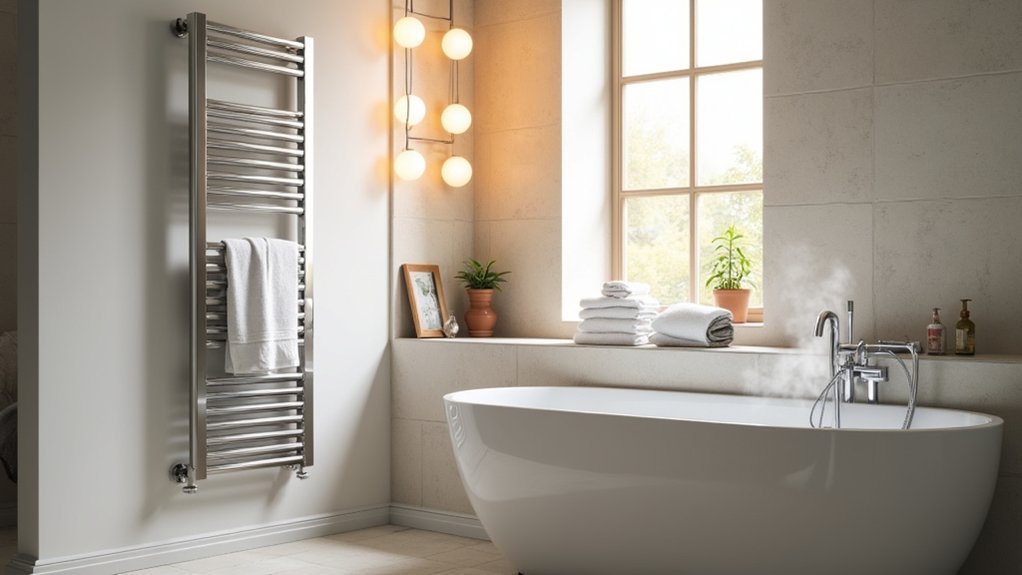
Choosing between electric and central heating bathroom radiators comes down to how you use the space, your existing heating system, and the level of control you want.
Electric models heat independently, so you can warm the room or dry towels without running your whole system. They suit en suites, extensions, and bathrooms used at irregular times, though electricity costs may be higher per unit of heat.
Central-heating radiators usually deliver lower running costs when your boiler is already operating. They provide dependable whole-home warmth but follow your heating schedule unless you add smart controls or thermostatic valves.
Consider installation too: electric units need suitable wiring, while central models require pipework.
Whichever you choose, match output to the room’s heat loss and keep radiator maintenance simple. A well-chosen unit supports practical Bathroom decor year-round.
Style, Finish, and Placement for Your Bathroom
Style, finish, and placement shape how well a bathroom radiator performs as well as how naturally it fits the space. Choose a ladder rail if you want warm towels and vertical storage, or select a slim panel model for a compact, understated look. Match the finish to your bathroom decor: chrome adds polish, while matte black, white, or coloured options can reinforce a modern or traditional scheme.
Position the radiator where air can circulate freely, ideally on an external wall or near the coldest area. Don’t hide it behind cabinets, doors, or bulky towel stacks, as these restrict heat flow.
Before committing to a location, check pipe routes, valve access, and plumbing compatibility. You’ll get a cleaner installation and a radiator that complements both your layout and daily routine.
What a Dedicated Bathroom Radiator Costs to Run
A dedicated bathroom radiator typically uses modest energy, especially when you run it only during your morning and evening routines.
You can estimate its cost by multiplying its wattage by daily operating hours and your electricity rate.
Keep costs down with a timer, thermostat, and sensible temperature setting.
Typical Energy Use
Although a dedicated bathroom radiator uses relatively little energy, its running cost depends on its wattage, thermostat setting, and how long you leave it on. A 500-watt electric model uses 0.5 kWh per hour, while a 1,000-watt unit uses 1 kWh.
To estimate cost, multiply its kilowatt rating by operating hours and your electricity tariff. For example, running a 500-watt radiator for two hours daily uses about 30 kWh each month.
Your actual consumption may fall because thermostatic controls cycle the radiator once the room reaches temperature.
Hydronic radiators draw heat from your central system, so their cost reflects boiler efficiency and fuel prices instead.
Compared with many alternative heating options, a dedicated unit targets warmth where you need it. As Energy efficient upgrades go, it can improve comfort without heating unused rooms.
Ways To Reduce Costs
To reduce running costs, heat the bathroom only when you’ll use it and set the thermostat to the lowest comfortable temperature. Use a programmable timer to warm the room before morning showers, then switch it off rather than heating it all day.
Keep doors closed so warmth stays where you need it, and don’t cover the radiator with towels or bathroom decor that blocks airflow.
Choose a radiator sized correctly for the room; an oversized unit wastes energy, while an undersized one runs longer. Bleed it regularly to remove trapped air and maintain even heat output.
During routine plumbing maintenance, check valves, pipework, and thermostatic controls for leaks or faults. Fixing small issues quickly prevents wasted heat and helps your radiator operate efficiently throughout the year.
Frequently Asked Questions
Do Bathroom Radiators Require Professional Installation?
Yes, you’ll usually need professional installation, especially for plumbed or electric models. A qualified installer guarantees safety, compliance, and peak radiator efficiency. Although installation costs add upfront expense, you’ll avoid leaks, wiring faults, and poor performance.
Can I Install a Bathroom Radiator in a Rented Property?
Yes—picture a warm towel rail replacing a cold wall: you can install one if your lease allows it. Check Rental restrictions, get Tenant permissions in writing, and use a qualified installer to avoid damage or disputes.
How Often Should a Bathroom Radiator Be Serviced?
You should arrange radiator maintenance annually, ideally before winter. Follow your boiler manufacturer’s servicing schedule, bleed the radiator when needed, check for leaks or cold spots, and ask a qualified engineer to investigate persistent problems.
Are Bathroom Radiators Safe Near Showers and Baths?
Yes, bathroom radiators are safe near showers and baths when correctly installed—think of a knight’s shield against moisture. Prioritise Radiator safety, maintain adequate Shower proximity, use qualified installers, and don’t place electrical models within splash zones.
Can Smart Controls Be Added to a Bathroom Radiator?
Yes, you can add Smart technology and wireless controls to many bathroom radiators. Choose compatible thermostatic valves or electric models, guarantee bathroom-safe IP ratings, and use professional installation to maintain safety, efficiency, and reliable scheduling.