 Andrew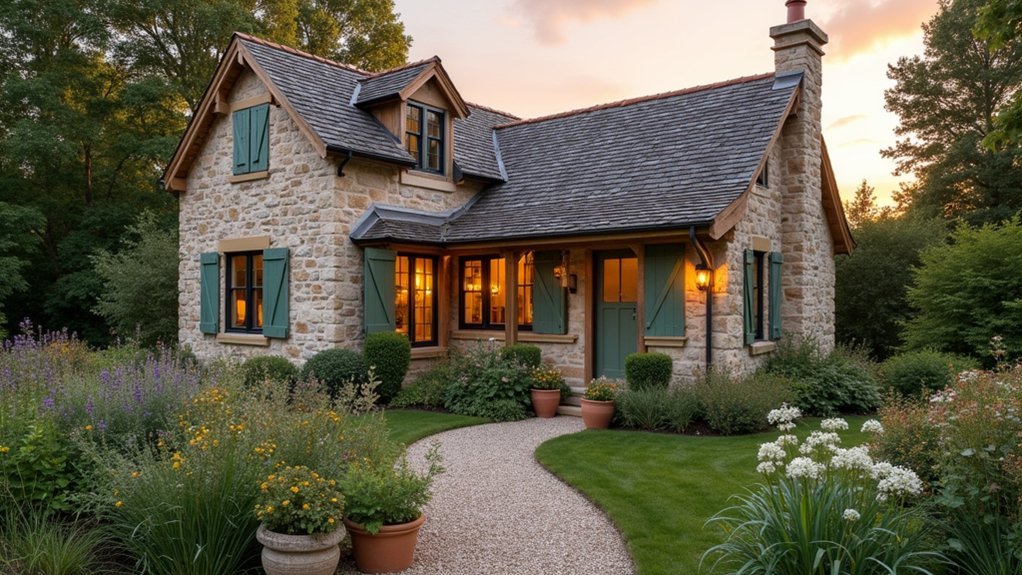
Nearly 70% of a cottage’s character comes from original features such as timber beams, plaster walls, old doors, and handmade hardware. You’ll get the best result when you assess what can be repaired before planning replacements or major layout changes. Careful updates can improve warmth, storage, and efficiency without making the home feel newly built. The key is knowing which imperfections deserve to stay—and which changes will quietly support them.
Decide What to Preserve in Your Cottage
Before you plan major changes, identify the features that give your cottage its character and historical value. Document original materials, including wood windows, doors, flooring, trim, stonework, and hardware. Look for evidence of earlier craftsmanship: hand-planed boards, plaster walls, built-in cupboards, decorative brackets, or locally quarried masonry.
You should also assess elements outside the house. Mature trees, stone paths, boundary hedges, and the garden landscape may reveal the cottage’s original setting and deserve careful protection. Research old photographs, property records, and neighboring homes to understand which exterior color schemes suit its period and regional tradition.
Distinguish authentic features from later alterations, but don’t remove additions automatically; some may have gained significance over time. Prioritize repair over replacement, because retained fabric preserves the cottage’s history, texture, and distinctive sense of place.
Plan a Cottage Renovation Around Original Features
Let original details—such as beadboard, trim, fireplaces, and built-ins—guide your renovation plan.
You’ll create a cohesive result by pairing modern upgrades with the cottage’s established scale, proportions, and materials.
Restore salvageable wood, plaster, and hardware before replacing them, so the home retains its authentic character.
Preserve Architectural Details
To preserve a cottage’s character, identify and protect its original features before finalizing the renovation plan. Document millwork, doors, windows, fireplaces, floorboards, plasterwork, and hardware with photographs and measurements.
Determine which elements can be repaired rather than replaced, and consult a preservation carpenter when details require matching profiles or traditional joinery.
Keep original room proportions intact, especially where partitions, ceiling heights, or chimney breasts define the cottage’s historic layout.
Carefully strip paint only after testing for lead and confirming that removal won’t damage aged timber or masonry.
Restore sash windows, retain wavy glass where practical, and repair lime plaster with compatible materials.
Select period lighting that suits the home’s age and scale, and protect historical landscaping features, including stone paths, mature hedges, and garden walls, during construction.
Balance Old and New
How can you introduce modern comfort without diluting the cottage’s inherited character? Begin by mapping the features that define each room’s historical significance, then let them guide your renovation decisions.
Position new kitchens, baths, and storage where they require the fewest changes to original room proportions, sightlines, and circulation patterns. Choose simple cabinetry, discreet lighting, and restrained hardware that support rather than compete with period elements.
You can conceal updated systems within secondary spaces or carefully planned joinery, keeping prominent walls and focal points visually calm. Maintain a consistent palette and scale so new additions feel deliberate, not imitative.
When you must add contemporary elements, make their purpose clear and their detailing respectful. This measured approach creates aesthetic harmony, allowing the cottage’s older features to remain the home’s unmistakable center.
Restore Original Materials
Before replacing worn finishes, assess what the cottage’s original materials can still reveal and retain. Strip small test areas carefully to identify intact plaster, old-growth flooring, beadboard, brick, and hardware beneath later coatings.
You can repair rather than remove sound materials: patch lime plaster with compatible mixes, splice damaged floorboards with matching species, and repoint masonry using breathable mortar.
Preserve uneven surfaces and age marks when they don’t compromise safety; they document the home’s history and give rooms depth. Avoid Faux finishes that imitate patina when authentic texture survives.
Clean woodwork gently, stabilize loose paint, and refinish only where necessary. If you add Modern fixtures, choose discreet designs that don’t obscure original trim, openings, or proportions.
Your restoration should protect the cottage’s fabric while allowing practical, durable updates for daily use.
Repair Period Details Before You Replace Them
Original cottage details often carry more historical value than their worn surfaces suggest, so assess each element for repairability before ordering replacements. You can often reglaze wavy window panes, splice decayed timber with matching wood, and reset loose hardware rather than discard it.
Preserve original moldings, latches, hinges, and plasterwork whenever their profiles remain legible. Document dimensions, joinery, paint layers, and placement before removing anything, since these records support historical accuracy if a component can’t be saved.
Consult a preservation carpenter or specialist for complex sash, masonry, or decorative repairs.
Consider timing considerations as well: stabilize water damage, rot, or structural movement promptly, then schedule cosmetic restoration after the building is dry and secure.
Careful repair retains the cottage’s authentic craftsmanship, irregularities, and evidence of age—qualities that new reproductions rarely match.
Add Modern Comforts Without Losing Cottage Charm
You can add discreet climate control that protects original walls, ceilings, and sightlines.
Update kitchens and baths with period-appropriate materials and fittings that support daily use without mimicking history poorly.
Build smart storage into underused alcoves, attic eaves, and existing cabinetry so the cottage retains its uncluttered character.
Discreet Climate Control
Thoughtful climate control can make a historic cottage comfortable year-round without disrupting its scale, materials, or character. Start with an energy audit to identify drafts, inadequate insulation, and inefficient equipment before altering original walls or ceilings. You can seal gaps around sash windows, insulate attic floors, and use breathable materials that protect old timber and masonry from trapped moisture.
Choose compact, high-efficiency systems that require minimal invasive ductwork. Slim ductless heat pumps, carefully located radiators, or concealed mini-duct units can improve energy efficiency while preserving room proportions and decorative details.
Place outdoor condensers behind planting or secondary elevations, where they won’t dominate views. Specify vibration pads, insulated lines, and quiet equipment for effective noise reduction. Retain existing grilles and registers when practical, and route new services through closets, attics, or previously altered areas.
Updated Kitchens and Baths
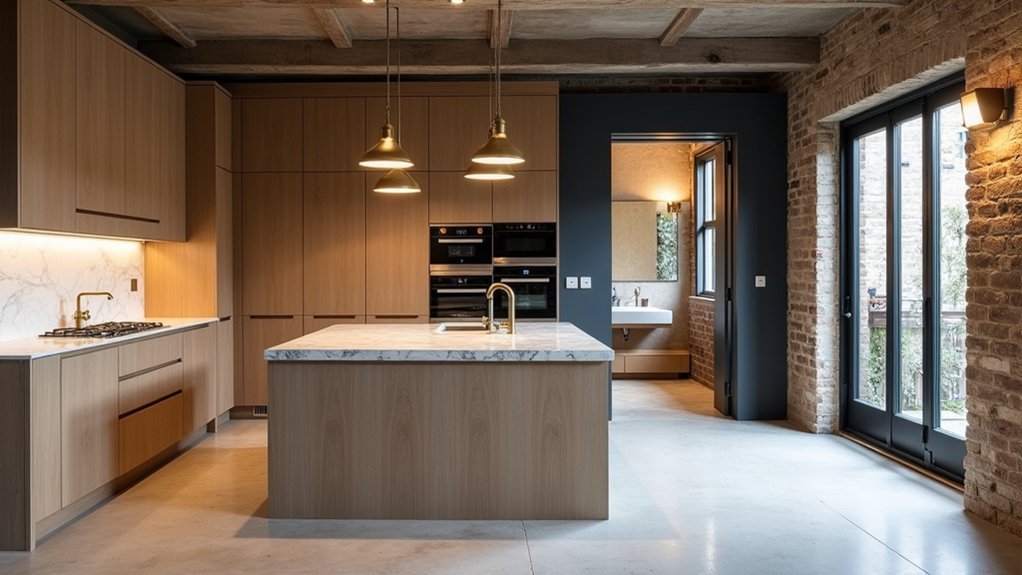
How can a cottage kitchen or bath gain modern function without feeling newly imposed? Begin by preserving proportions, original openings, and any surviving millwork. You can introduce efficient appliances behind painted panels, select inset cabinetry with simple rails, and choose durable counters in soapstone or honed stone rather than glossy engineered surfaces.
In baths, retain a cast-iron tub or use a period-appropriate reproduction with understated plumbing fixtures.
Let materials develop character: unlacquered brass, handmade-look tile, painted wood, and aged nickel suit modest rooms. Vintage lighting, carefully rewired and placed for task needs, adds authenticity without sacrificing safety.
Frame sink or bath views toward garden landscaping, using existing windows whenever possible. You’ll create rooms that meet daily demands while respecting the cottage’s scale, craftsmanship, and quietly accumulated history.
Smart Storage Solutions
Smart storage works best when it occupies overlooked space rather than altering a cottage’s original rooms. Use shallow built-ins beneath window seats, fitted drawers under stairs, and toe-kick pullouts in kitchens to gain capacity without changing historic proportions. Match new cabinetry to existing joinery, using painted wood, simple beadboard, or period-appropriate hardware so additions feel quietly integrated.
Look for Hidden compartments in bench seats, hearth-side cabinets, and under-bed platforms, but keep access panels discreet and reversible. Multi functional furniture also helps you reduce visual clutter: choose a gateleg table with drawers, an ottoman with storage, or a settle that conceals linens.
Preserve original closets and cupboards whenever possible; improve their interiors with adjustable shelves, pullout baskets, and gentle lighting instead. You’ll add daily convenience while protecting the cottage’s intimate character.
Choose Materials That Suit a Traditional Cottage
Material choices should reinforce a cottage’s age, scale, and regional character rather than imitate a generic historic style. Study surviving fabric before you replace anything: match original board widths, mortar color, roof texture, and window profiles where evidence remains.
Choosing authentic materials means favoring repairable, breathable options such as lime mortar, timber, clay tile, and locally appropriate stone. Salvage can supply old floorboards, iron hardware, or handmade bricks, but inspect each piece for durability and fit.
Blending vintage and contemporary requires restraint. You can introduce new materials when they remain visually quiet and physically compatible with the old structure. Select matte finishes, modest proportions, and natural surfaces that will weather gracefully.
Avoid overly distressed products, plastic-looking substitutes, and oversized elements that overwhelm the cottage’s simple craftsmanship.
Update Kitchens and Bathrooms With a Softer Touch
When updating a cottage kitchen or bathroom, preserve its intimate scale and let new fixtures support, rather than compete with, the original architecture. Retain sound cabinetry, paneling, or plaster whenever possible, repairing rather than replacing.
Choose compact appliances, inset cabinets, and modestly sized sinks that respect existing proportions. In bathrooms, place plumbing carefully to avoid unnecessary alterations to original walls and floors.
Aim for Rustic elegance through warm painted finishes, honed stone, unlacquered brass, or simple ceramic tile. You can improve performance discreetly with efficient ventilation, updated wiring, and water-saving fixtures.
Select Vintage accents, such as bridge faucets, schoolhouse-style lights, or medicine cabinets with framed mirrors, only where they suit the home’s age and character. Let practical improvements feel settled, not newly imposed, so each room remains welcoming and authentic.
Finish Your Cottage Restoration With Layered Character
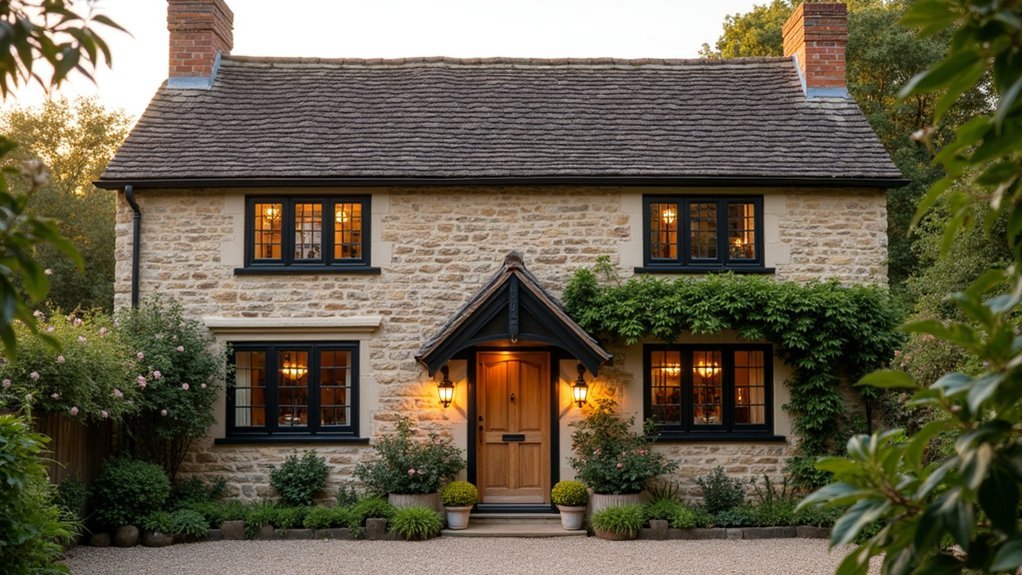
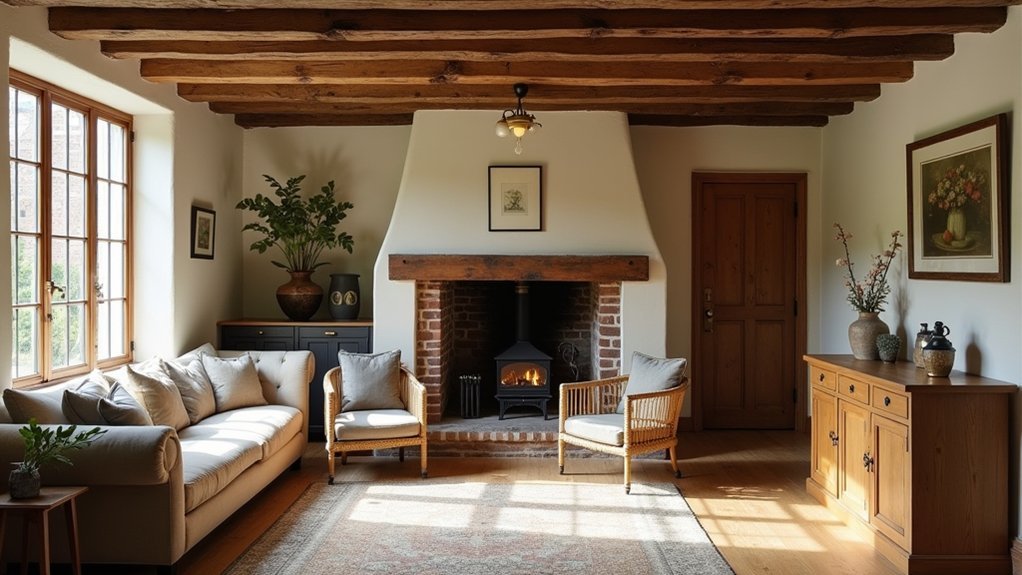
With the kitchen and bath thoughtfully renewed, complete your cottage restoration by layering furnishings and finishes that reflect its age, use, and setting. Preserve original floorboards, patch rather than replace worn plaster, and let repaired millwork show its honest variations. Choose vintage or simply made pieces with modest scale: a pine table, painted cupboard, woven rush chairs, or an iron bedstead.
Build layered character through materials that improve with wear, including linen curtains, wool rugs, ceramic lamps, and aged brass hardware. Keep paint colors grounded in the landscape—moss, chalk, clay, or weathered blue—and repeat them sparingly from room to room.
Don’t overstage every surface; leave space for daily life and inherited objects. This restraint protects Cottage charm while allowing its history, imperfections, and practical comforts to remain visible.
Frequently Asked Questions
How Do I Set a Realistic Budget for a Cottage Restoration?
Start Budget planning with a detailed survey, then use Cost estimation for structural repairs, heritage materials, permits, labor, and contingencies. You’ll protect original features by prioritizing urgent work and reserving 15–20% for hidden conditions.
Do I Need Planning Permission for Cottage Renovations?
You may need planning permission—because apparently walls can’t move without bureaucracy’s blessing. Check Historic regulations and secure Building permits for structural changes, extensions, listed features, or protected areas; your local authority confirms requirements before work begins.
How Can I Find Contractors Experienced With Historic Homes?
Ask local preservation societies, heritage architects, and planning officers for referrals. Review portfolios for historic materials expertise, verify builder reputation through references, and interview candidates about repair methods, documentation, and conservation standards before hiring.
What Insurance Should I Arrange During Renovation Work?
Don’t leave it to chance: arrange Renovation coverage, builder’s risk, liability, and workers’ compensation. Review Insurance claims procedures, confirm heritage features’ replacement values, and guarantee your policy covers theft, water damage, and temporary structural protection.
How Long Does a Typical Cottage Restoration Take?
You can expect a typical cottage restoration to take six months to two years. Historical accuracy, material restoration, specialist surveys, consent requirements, weather, and hidden defects often extend schedules, so you’ll need phased planning and contingency time.